
The Hidden Threat: Slab Leaks in Tulsa Homes
Picture this: the steady sound of water running through your home suddenly goes quiet — or worse, you notice a warm, damp spot on your floor that was not there yesterday. In Tulsa, where older residential neighborhoods like Maple Ridge, Midtown, and the areas surrounding 71st Street are filled with homes built decades ago on poured concrete foundations, this scenario is more common than most homeowners realize. What might seem like a minor nuisance could signal a serious problem lurking beneath your home’s concrete slab.
Slab leaks are among the more damaging plumbing issues a Tulsa homeowner can face, and they rarely announce themselves clearly. In our plumbing services throughout Tulsa, we regularly respond to calls where a leak beneath the foundation has been quietly worsening for weeks before the homeowner noticed anything worth calling about.
This post breaks down what causes slab leaks, how professional plumbers detect and address them, and why acting quickly matters more than most people expect.
What Causes Slab Leaks?
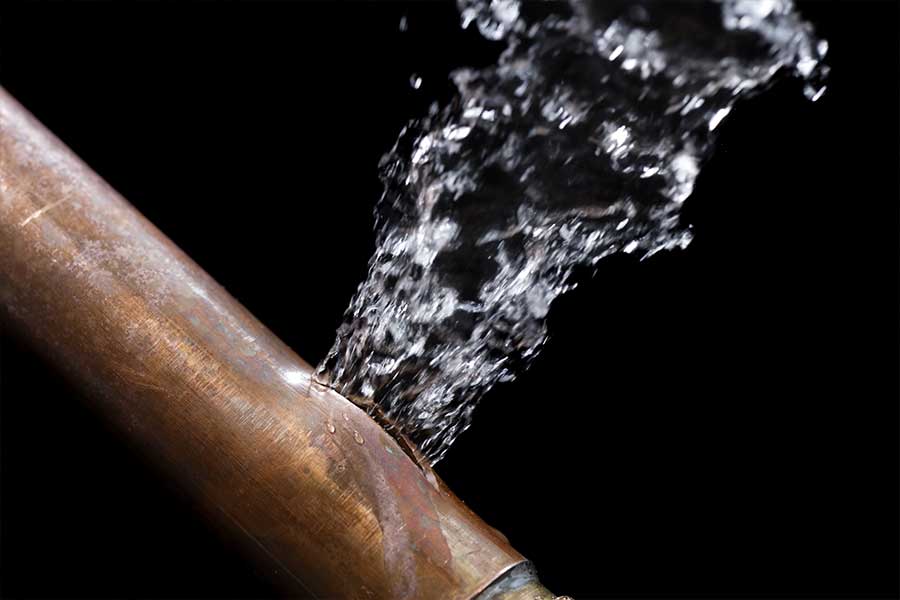
Slab leaks form when water supply or drain lines running beneath a home’s concrete foundation develop a breach. Several factors contribute to this — and in Tulsa’s clay-heavy soil, some of these conditions are especially relevant.
Shifting Foundation
Oklahoma’s expansive clay soil contracts and expands with moisture changes, particularly during our dry summers and wet spring seasons. This constant ground movement puts ongoing stress on pipes buried beneath the slab, creating micro-fractures over time that eventually become active leaks.
Pipe Corrosion
Older copper and galvanized steel pipes deteriorate naturally over decades. Homes built in the 1960s, 70s, and 80s — a significant portion of Tulsa’s housing stock — often have original plumbing that has simply reached the end of its service life.
Improper Original Installation
Pipes that were kinked, improperly supported, or installed without adequate protection during original construction are more susceptible to failure. This is particularly common in homes that have been through multiple renovations without full plumbing assessments.
High Water Pressure
Sustained water pressure that exceeds safe operating levels places excessive strain on pipe joints and fittings, accelerating wear. Many Tulsa homeowners are unaware that their system’s pressure is running too high until a failure occurs.
Accidental Damage
Renovation work, landscaping projects, or even driving heavy equipment across a yard can disturb pipes running below the slab. What looks like unrelated exterior work can sometimes trigger an interior plumbing failure weeks or months later.
How Professional Slab Leak Detection Works
One of the most common questions we hear is whether a homeowner can identify a slab leak on their own. The honest answer is that detecting one accurately requires specialized equipment that professional plumbers carry specifically for this purpose. Listening at floors or inspecting visible surfaces can hint at a problem, but pinpointing the exact location of a subsurface leak is a technical process.
Working in homes across Tulsa, our detection process typically involves:
- Electronic acoustic leak locators that pick up the sound signature of water escaping under pressure through concrete
- Thermal imaging to identify temperature differentials caused by warm water leaks beneath the slab
- Water line video inspection to visually assess pipe condition and confirm leak locations before any repair work begins
Accurate detection is not just about finding the leak — it is about finding it with enough precision that repair work disrupts as little of the flooring, foundation, and surrounding structure as possible.
Professional Repair Methods: What Actually Gets Done
Once a leak is confirmed and located, the repair approach depends on the severity and accessibility of the damaged pipe. Our team at Superior Plumbing uses minimally invasive methods wherever possible to limit the disruption to your home.
Targeted Trenching or Tunneling
Rather than opening up large sections of a floor, skilled technicians can trench directly to the affected pipe or, when conditions allow, tunnel horizontally beneath the slab to access the damaged section from outside the living space.
Pipe Lining
For pipes where the damage is contained but replacement is premature, epoxy pipe lining can restore structural integrity from the inside without requiring excavation. This is a particularly efficient solution when the pipe route runs beneath finished flooring or structural elements.
Full Pipe Replacement or Re-routing
In cases involving significant corrosion, widespread deterioration, or repeated failures, whole-home repiping may be the most cost-effective long-term solution. Re-routing pipes above the slab eliminates future access issues entirely and gives the home a fresh plumbing infrastructure.
Each of these approaches has its place depending on the age of the pipe, the extent of the damage, and the layout of your home. A professional assessment is the only reliable way to determine which method fits your specific situation.
Is a Slab Leak an Emergency?
The answer depends on the severity — but the margin for treating it casually is narrower than most homeowners assume.
A slow, minor seep may not require a same-day emergency response, but it still warrants a professional assessment within a short window. Left unaddressed, even small slab leaks tend to escalate in ways that are disproportionately costly:
- Structural damage: Sustained moisture beneath a concrete foundation can undermine soil stability and compromise the slab itself over time. In Tulsa’s shifting clay soils, this process can accelerate significantly during dry spells followed by heavy rainfall.
- Elevated water bills: Water flowing undetected adds up quickly on monthly utility statements. Many homeowners do not connect the billing increase to a plumbing issue until significant damage has already occurred.
- Mold and moisture issues: Persistent dampness beneath and around the foundation creates conditions that support mold growth, which can migrate into wall cavities and crawl spaces. Once mold is established, remediation becomes a separate and significant cost.
- Damaged flooring: Hardwood floors, laminate, and tile installed over a slab are among the first visible casualties of an unaddressed leak. Cupping, cracking, and discoloration often appear before homeowners realize the source is below the concrete.
If you are noticing unexplained increases in your water bill, warm or damp spots on floors, the sound of running water when nothing is in use, or visible cracking in your foundation or walls near the floor line, these warrant professional water leak detection and repair rather than a wait-and-see approach.
Signs You May Have a Slab Leak
Based on what we see in Tulsa properties across the metro area, here are the most consistent early indicators homeowners report before a slab leak is confirmed:
- A noticeable spike in water usage on utility bills without a clear explanation
- Warm patches on tile or concrete floors, particularly in a single area
- The sound of water running when all fixtures and appliances are turned off
- Visible cracks forming along the base of interior walls
- Low water pressure at fixtures throughout the home
- Damp or discolored flooring, especially near the perimeter of rooms on the ground floor
- Mold or mildew odors originating from below floor level
None of these signs individually confirms a slab leak, but two or more together should prompt a call to a licensed plumber for a formal assessment.
The Connection Between Slab Leaks and Sewer Lines
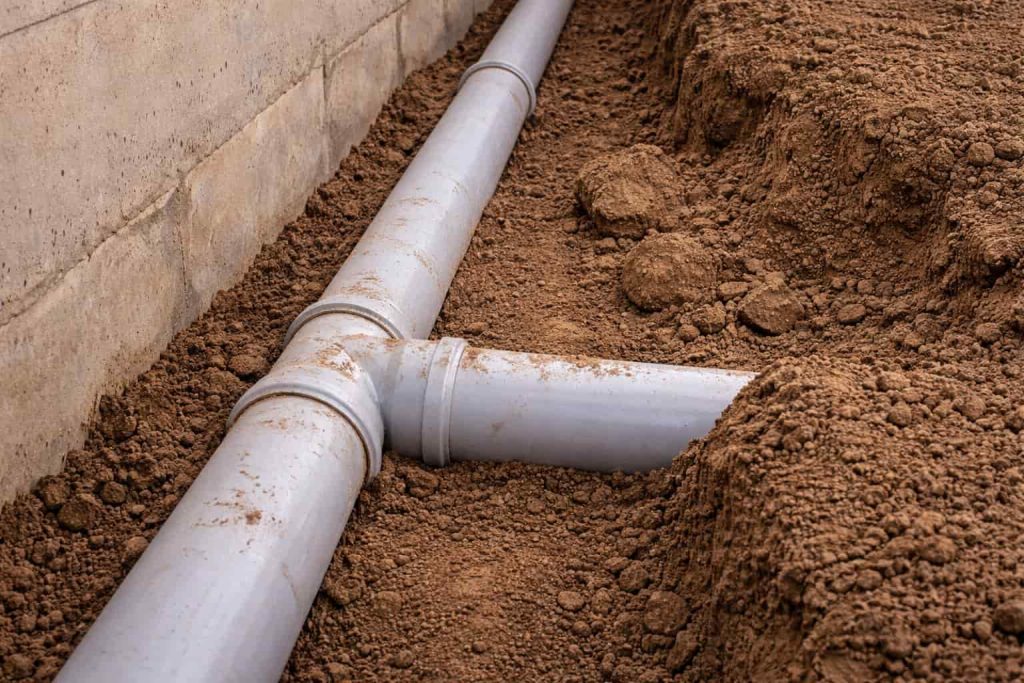
Not every slab leak involves a water supply line. Drain and sewer pipe issues can also develop beneath the foundation, and they tend to be harder to detect because they do not involve pressurized water actively flowing through the breach.
Sewer line failures beneath a slab often present as slow drains throughout the home, gurgling sounds in multiple fixtures simultaneously, or soft spots in the yard near the foundation where saturated soil has shifted. These situations require the same level of professional assessment as supply line leaks, and the repair methods share many of the same principles.
If there is any question about whether the source of an issue is a supply line or a drain, a video inspection of the sewer line is typically the fastest way to clarify the situation and determine next steps.
Keeping Your Home Protected in Tulsa
Slab leaks are not always preventable — soil conditions, pipe age, and original construction quality all play a role. But catching them early, responding decisively, and trusting a professional team to complete the repair correctly makes a significant difference in how much disruption and expense is involved.
At Superior Plumbing, we approach every slab leak call the same way we approach every job: with the care and transparency you would expect from a team working in your home. That means honest assessments, clear explanations of your options, and repair work that is done right the first time.
If you are seeing signs of a potential slab leak or simply want peace of mind after noticing something unusual in your home, contact our team today to schedule a professional inspection. We are here to help Tulsa homeowners protect what matters most.