

Catoosa occupies an interesting position in the Tulsa metro. It’s home to the westernmost inland port in the United States, sits along the Verdigris River, and has a mix of long-established residential areas and newer development that has grown alongside the area’s commercial expansion. That combination produces a housing stock with real variety in age, construction, and HVAC equipment.
Superior Plumbing, Drain Cleaning & Water Heater Repair handles heating and cooling repairs for homeowners throughout Catoosa. Whether you’re in an older home near the river or a newer subdivision on the east side of town, HVAC problems in this climate follow predictable patterns, and we know how to address them properly.
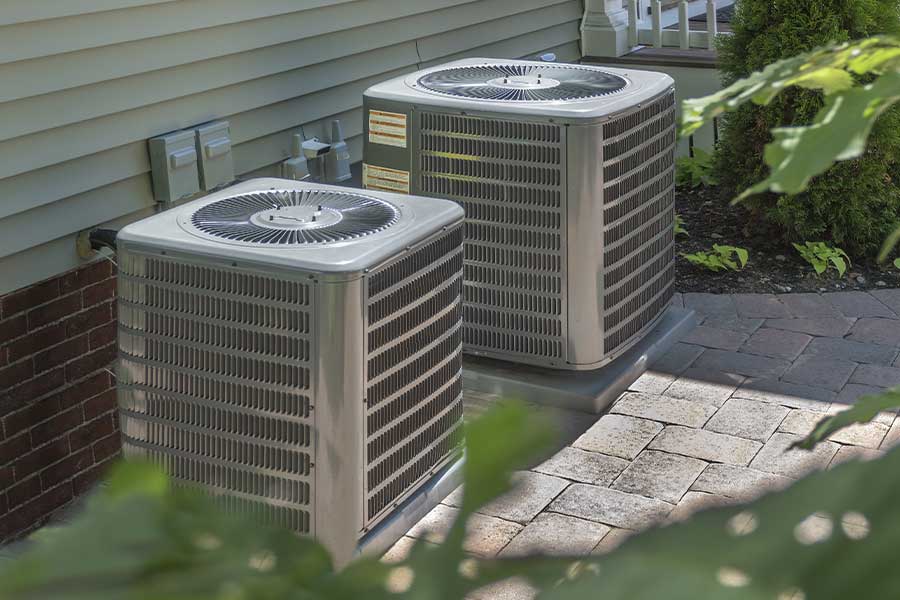
Catoosa’s proximity to the Verdigris River means humidity levels here can be higher than areas farther from water, and that has real consequences for HVAC components over time. Common signs that something needs attention include:
These are the kinds of symptoms that don’t resolve on their own. We’ll come take a look and tell you what’s going on without the runaround.
Older homes in Catoosa, particularly those built in the 1970s and 1980s near the river, were often constructed with ductwork configurations that made sense at the time but create real challenges for modern HVAC equipment. Poorly sized or deteriorating ducts can undermine even a brand-new system’s performance if they’re not addressed during installation.
We take a complete look at what’s already in place before recommending any replacement equipment, because the system we install has to work with the home it’s going into. A properly matched installation in Catoosa delivers results that homeowners notice right away:
We’ll be straightforward with you about what the job requires and won’t recommend more than what your home actually needs.
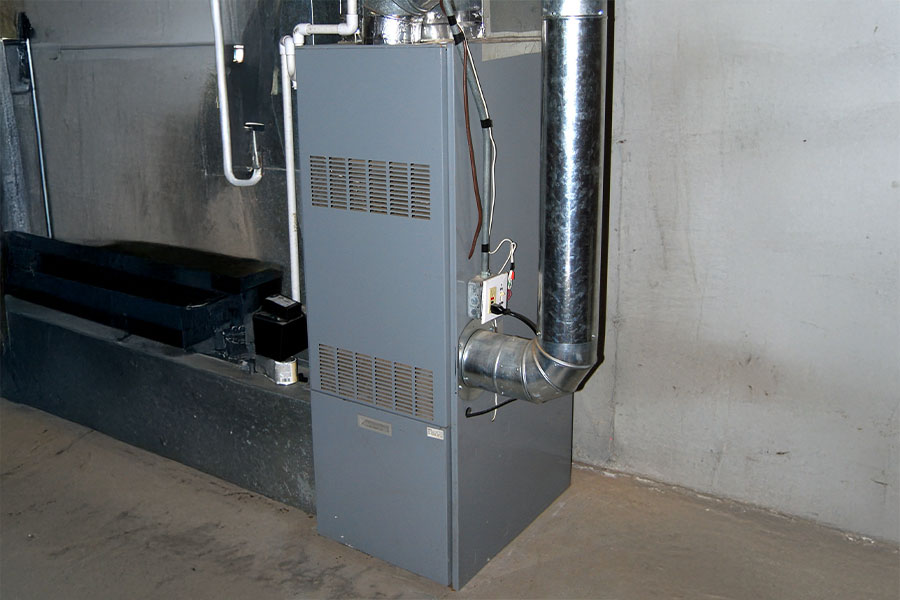
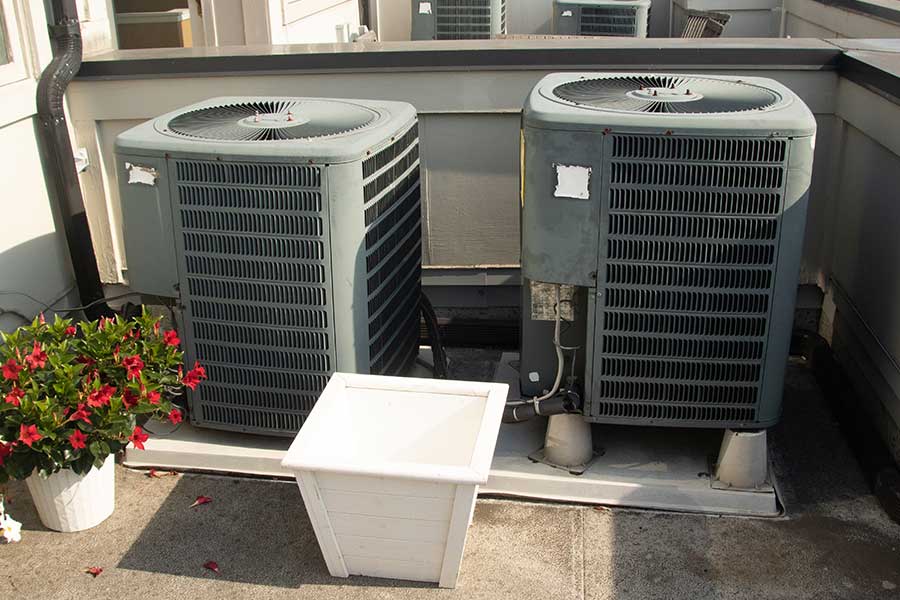
A system that serves a home near the Verdigris River faces higher-than-average moisture exposure, and the maintenance schedule should reflect that. Condensate drain lines in this area are more prone to biological growth and clogging, coils accumulate moisture-linked deposits faster, and equipment exposed to riverside humidity wears differently than the same equipment in a drier setting.
Scheduling two maintenance visits a year, one in spring and one in fall, keeps the system prepared for what each season demands. During every visit we address the factors most relevant to Catoosa’s environment:
Consistent maintenance in a riverside climate like Catoosa’s isn’t optional if you want the system to perform well and last as long as it should.
Teresa called on a hot August morning from her home near the port district. Water had been collecting on the floor around her indoor HVAC unit for several days and she’d been putting off the call, hoping it would stop on its own. By the time she reached us, the situation had made its way into the surrounding flooring.
The condensate drain line had backed up completely, a common problem in the area during August when humidity is at its peak and biological growth in drain lines accelerates. The backup caused the drain pan to overflow, and the overflow had been sitting long enough to start causing secondary damage.
We cleared the drain, treated the line, cleaned out the pan, and checked the system for any other moisture-related issues before wrapping up. We also helped Teresa understand why this happens in this climate and how to spot the early signs before it becomes a floor damage situation again. Catching it early is always the better outcome.
Catoosa homeowners have options, and we think the right choice comes down to who you can trust to be straight with you and do the work correctly. That’s what we show up to do every time.
We serve Catoosa and the surrounding communities with genuine pride, and every job we take is an opportunity to back that up.
This is almost always a clogged condensate drain line. When the drain backs up, the overflow pan fills and spills onto the floor. It needs to be cleared promptly to prevent water damage to flooring and surrounding materials.
Yes. Higher ambient humidity near the river accelerates condensate drain clogs, promotes faster coil fouling, and increases moisture-related wear on components. More frequent drain cleaning and coil maintenance can offset these effects.
A mild burning smell at the start of heating season is usually dust burning off the heat exchanger after months of sitting idle. If the smell persists beyond the first few minutes or is strong, shut the system off and call a technician.
Pouring a diluted bleach solution down the condensate drain line every few months can slow biological growth that causes clogs. Professional clearing and treatment during maintenance visits is the most thorough approach.
Signs include increased dust on surfaces, allergy or respiratory symptoms that improve when you leave the home, and visible mold or debris around vent covers. A dirty filter or contaminated ductwork are common causes.