

Wagoner sits at the confluence of the Grand and Verdigris Rivers, and that geography shapes how homes here experience heat and humidity in ways that residents know well. Summer air in this part of eastern Oklahoma carries serious moisture, and HVAC systems absorb the full impact of that every year from May through September.
Superior Plumbing, Drain Cleaning & Water Heater Repair works with Wagoner homeowners to diagnose and repair heating and cooling problems when they come up. Many homes in and around Wagoner were built in the 1970s and 1980s, and systems in those homes have often been patched and pushed well past what they were designed for. When something breaks down, we get there, figure out what’s actually wrong, and fix it.
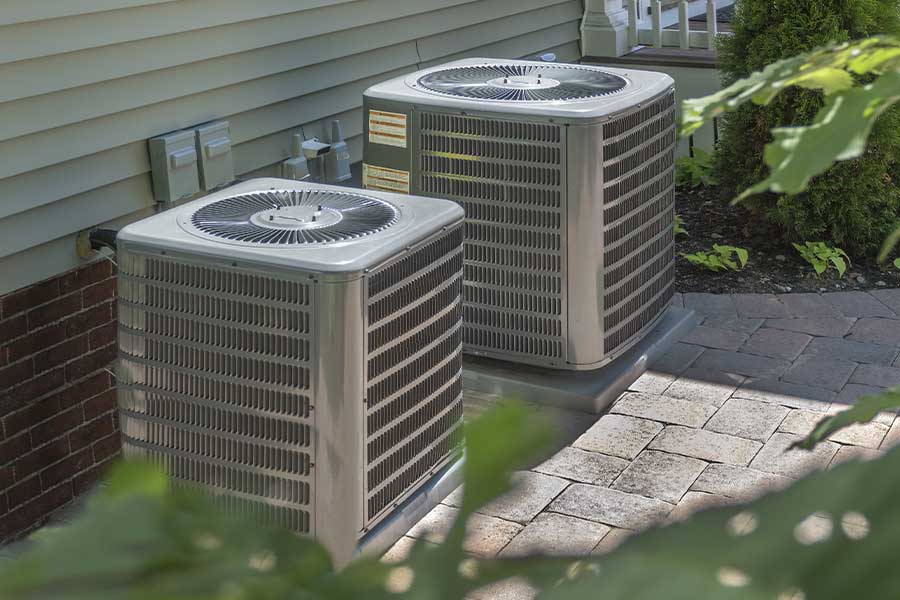
The combination of heat, humidity, and aging housing stock in Wagoner creates a specific set of HVAC failure patterns we see regularly. Watch for these signs that your system needs service:
Any of these is worth a call. Catching a problem early almost always costs less than waiting until it becomes a full failure.
A significant portion of Wagoner’s housing stock dates back to the 1970s and 1980s, when energy efficiency wasn’t the priority it is today and HVAC systems were built to different standards. If your home falls into that category and you’re still running the original equipment or an older replacement, you may be spending considerably more on utilities than you need to.
Replacing an outdated system in a Wagoner home isn’t just about comfort. It’s about getting equipment that can actually handle the heat-humidity combination this area throws at it without working itself to death every summer. When we install a new system, we account for the home’s age, duct condition, and insulation before recommending equipment. What homeowners gain from a properly matched replacement includes:
We’ll be upfront about what makes sense for your situation and won’t push replacement when a repair is the right answer.


Wagoner’s river-influenced climate means HVAC systems face above-average moisture loads throughout the summer, and equipment that doesn’t get regular attention reflects that over time. Condensate systems back up more quickly, coils accumulate grime faster, and components exposed to persistent humidity wear at an accelerated rate.
We schedule maintenance visits in spring and fall to align with the two heaviest demand periods. Coming into summer with a clean, inspected system makes a measurable difference in how well it performs and how long it lasts. A typical maintenance visit in Wagoner covers:
Regular maintenance is the single most effective way to extend system life and reduce the chance of a breakdown during the hottest or coldest stretch of the year.
It was a cold February morning when Sandra called from her home on Wagoner’s east side. Her furnace had been running, or trying to, but the house wasn’t getting warm. She could hear it click on and then go quiet after just a minute or two, repeating the cycle without producing any real heat.
The problem was a cracked heat exchanger, a serious issue in any home and one that’s not uncommon in furnaces that have been running through eastern Oklahoma winters for twenty or more years. A cracked heat exchanger doesn’t just affect performance, it’s a safety concern, and we made sure Sandra understood that clearly and without alarm.
We replaced the heat exchanger, tested the system through several full cycles, and did a full safety check on the rest of the furnace before we left. Sandra had reliable heat by early afternoon, and she had a clear understanding of what had been wrong and why it mattered to fix it properly.


Wagoner is a community with deep roots, and the people here deserve service from someone who takes their home as seriously as they do. That’s the standard we hold ourselves to on every job.
We’re proud to serve Wagoner and the surrounding communities, and we take that responsibility seriously with every call we accept.
Yes. Elevated ambient humidity means your system has to remove more moisture from the air to reach comfortable conditions, which increases wear on coils and drain components and can reduce efficiency over time.
This is often caused by a dirty flame sensor, a faulty thermocouple, or a cracked heat exchanger. The system’s safety controls shut it down to prevent damage or hazard. A technician should inspect it before continued use.
Frequent repairs, inability to maintain comfortable temperatures, and energy bills that keep rising despite normal usage are the clearest indicators. Systems over 15 years old in high-demand climates are often past their cost-effective service life.
Check and replace your air filter regularly, keep the area around the outdoor unit clear of debris and vegetation, and make sure your vents inside the home are open and unobstructed.
Not always. If you notice a sulfur or burning smell, the system is short-cycling, or you have carbon monoxide concerns, shut the system off and call a technician. Some furnace faults are safety issues, not just performance issues.
